
Give the film one primary job
A homepage film introduces the atmosphere of a school; an admissions film answers questions; an anniversary documentary preserves a community’s story. Decide which job matters most before choosing a running time. Write down what the viewer should understand and what you want them to do afterwards, such as book a visit.
Describe the audience and viewing context
Explain whether the audience is local families, families moving to Spain or the existing school community. Note the languages needed and where the film will appear. A quiet website loop, a presentation with sound and a vertical social edit need different structures. Agree subtitles and any translated versions in the brief.
Choose voices with something specific to say
List the pupils, parents, teachers or alumni who can explain your priorities through their own experience. Ask for examples, rather than memorised promotional lines. Plan a quiet interview room and realistic time slots. Share contributors’ availability so filming can fit around lessons, supervision and other responsibilities.
Match the story to scenes you can capture
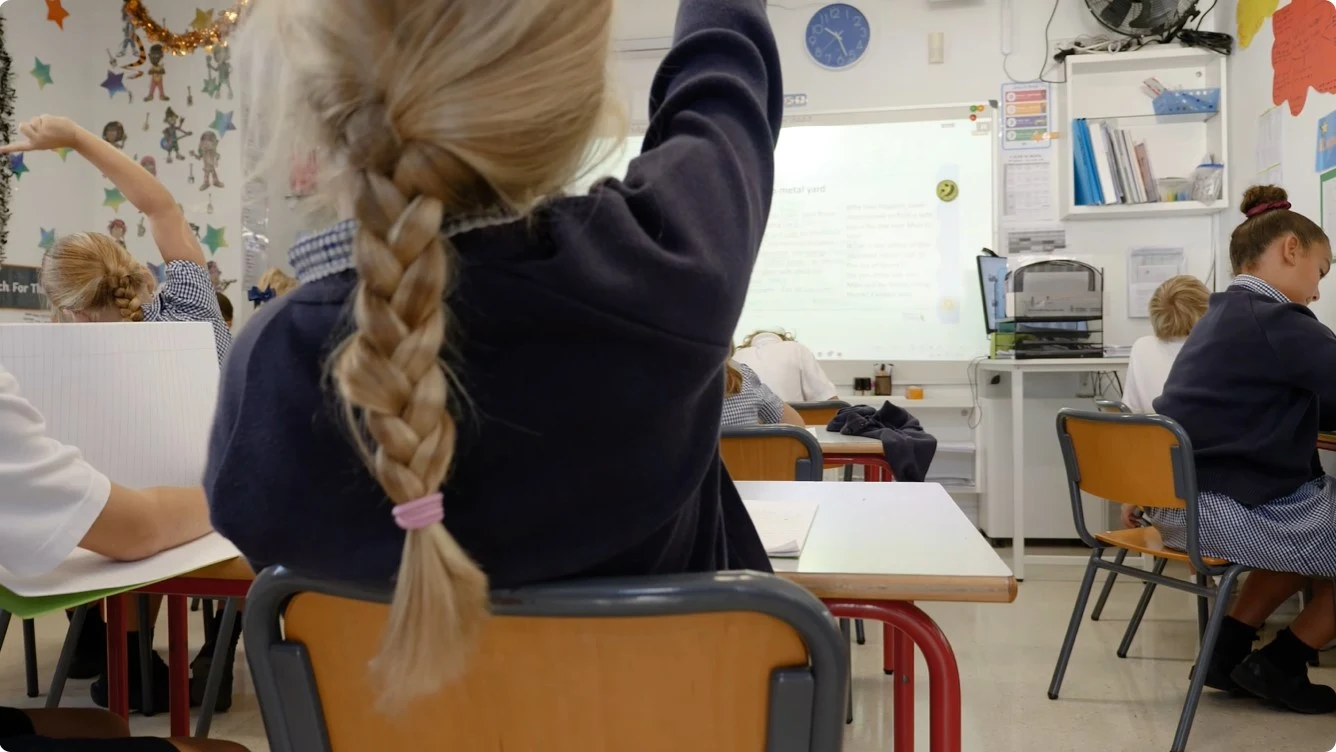
Pair each important point with a lesson, activity or location that can illustrate it. If practical science is central to the story, arrange access to an appropriate lesson. For an anniversary film, identify archive photographs and recordings early, including who can confirm their context and permitted use. Agree how staff will identify pupils who may appear.
Specify the delivery and review process
List the main film and any shorter versions separately. Agree aspect ratios, sound, captions, review stages and the publication deadline before filming. Nominate one person to consolidate school feedback. Share launch dates early, but allow time for editorial decisions: a longer film needs a clear story, not simply more footage.
Explore the serviceDiscuss your school project